Chili Pepper 3D Papercraft for Editorial and Web Design
A Vibrant Visual Statement for Creative Content Projects
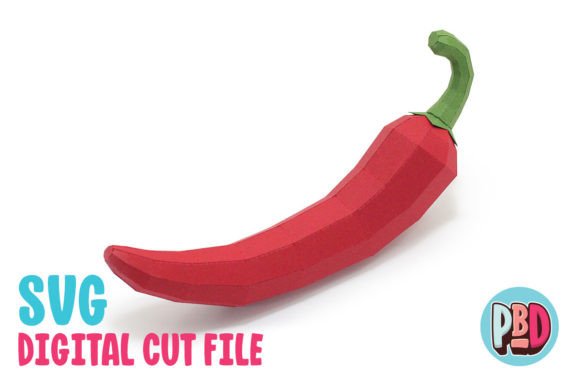
As an experienced blog designer and digital publisher, I'm always on the lookout for design assets that elevate content with personality and visual flair. The Chili Pepper 3D Papercraft caught my attention immediately—not just for its eye-catching form, but for how it could be integrated into a variety of publishing workflows to create a stronger visual identity. This isn't just another shape; it's a bold, playful graphic design asset that adds warmth and whimsy to editorial layouts, website headers, and social media graphics.
First Impressions: Lifestyle Meets Creativity
The first thing that stands out about this 3D papercraft is its vibrant character. It’s clearly intended for use in lifestyle, food, or event-related content—think fiestas, summer themes, or even wellness topics like spicy metabolism boosters. Its organic feel, layered depth, and rich color options make it perfect for niches that value creativity and approachability over sterile minimalism. As a blogger or content creator, you'll find it naturally supports a mood that's both fun and inviting.
Real-World Applications in Content Publishing
This chili pepper SVG shape can serve as more than just a decorative element. Here are several ways it can enhance your real-world publishing projects:
- Blog Featured Images: Use it as a floating accent to highlight a post about recipes, party planning, or cultural celebrations. The 3D effect adds dimension without overwhelming the layout.
- Pinterest Graphics: With its strong visual hierarchy and colorful presence, it can anchor a Pinterest pin about DIY decor or festive ideas. Just overlay a clean headline and it becomes clickable gold.
- Newsletter Headers: A stylized chili pepper makes for a great header in seasonal newsletters or themed email campaigns. It adds a sense of energy and immediacy.
- Lead Magnets & Digital Guides: Incorporate it into worksheet covers or printable resources focused on cooking, gardening, or spice profiles. The design gives the impression of quality and thoughtfulness.
- Canva Templates: Perfect for customizing templates in Canva or other design tools. Whether it's for Instagram stories or Facebook banners, the shape brings an artistic touch.
- Category Thumbnails: Use it to represent a section of your blog or website dedicated to food, events, or creative living. Readers will instantly recognize the theme.
Boosting Content Performance with Purposeful Design
Strong visuals don’t just look good—they work harder for your content. The Chili Pepper 3D Papercraft contributes to better click-through rates and reader engagement by improving several key performance indicators in visual communication:
- Visual Hierarchy: When placed strategically, the pepper acts as a focal point, drawing attention to headlines or call-to-action buttons.
- Brand Identity: For bloggers or small businesses focusing on lifestyle, food, or cultural content, this asset helps reinforce a warm and creative brand image.
- Reader Trust: High-quality SVG shapes like this one signal professionalism. They help your content stand out from generic stock images.
- Consistency Across Platforms: From website headers to social media previews, using this same design across multiple formats strengthens your visual identity and improves recognition.
- Click-Through Potential: On Pinterest or Instagram, a visually engaging asset like the chili pepper can increase user interest and drive traffic back to your site.
Perfect Fit for Themed Content Campaigns
Whether you're launching a summer recipe series or promoting a Latin-inspired affiliate product line, the Chili Pepper 3D Papercraft fits right in. It's especially effective when paired with bright colors and dynamic typography. Its 3D structure allows it to sit comfortably beside text while maintaining a clear separation between design and message.
Where This Design Asset Shines Brightest
Here are some of the best publishing scenarios where this design asset truly comes alive:
- Hero Images: It can act as a central element in hero sections, especially for blogs or websites with a festive or educational angle.
- Article Thumbnails: The pepper’s recognizable silhouette works well at smaller sizes, making it ideal for article thumbnails or category pages.
- Editorial Accents: In longer-form content, it can break up dense paragraphs or emphasize key points like tips or takeaways.
- Content Upgrades: Add it to downloadable printables or worksheets related to food, culture, or DIY projects to give them a polished finish.
- Social Media Previews: Use it as a background element or border in preview cards for videos or articles, enhancing shareability.
Design That Works with Type
I tested this asset with various font styles including serif, sans serif, script, display, and handwritten fonts. The pepper’s structured yet playful look pairs especially well with bold display fonts and clean sans serifs, creating a balance between fun and clarity. When placed beside a traditional serif typeface, it softens the overall tone and adds a modern twist.
Use with Caution in Certain Contexts
While the Chili Pepper 3D Papercraft has broad appeal, there are situations where it might not be the best fit:
- Small Mobile Thumbnails: At lower resolutions, the intricate layers may become unclear or pixelated.
- Text-Heavy Blog Posts: If used in too many places within a single post, it can distract from the main message.
- Low-Contrast Backgrounds: The design loses impact if not set against a solid or contrasting base. Test it with different background tones before finalizing.
- Busy Layouts: Avoid placing it in cluttered designs where it may get lost among other elements.
- Corporate or Professional Niches: The playful nature of the design may not align with formal or business-oriented branding.
Practical Tips for Using This Graphic Design Asset
Before adding the Chili Pepper 3D Papercraft to your content marketing toolkit, here are a few practical considerations:
- Test on Desktop and Mobile: Ensure it maintains clarity and impact across all devices.
- Thumbnail Preview: Zoom in to see how it looks in a thumbnail format—especially for platforms like Medium or WordPress.
- Headline Integration: Overlay your headlines and test different placements to ensure readability and harmony.
- Contrast Check: Make sure the design doesn’t clash with surrounding text or reduce legibility.
- Black and White Testing: See how it holds up in grayscale to assess its effectiveness in printed materials or low-color environments.
- File Size Optimization: Compress exported images properly to maintain fast page load times, especially for web design applications.
- Licensing Confirmation: Always verify that the commercial license permits use in monetized spaces like affiliate pages or paid digital downloads.
Conclusion: A Polished Addition to Your Creative Toolkit
Incorporating the Chili Pepper 3D Papercraft into your editorial and web design projects can bring a unique spark to otherwise flat or generic layouts. Its combination of artistry and functionality makes it a valuable tool for bloggers, online educators, newsletter creators, and small business owners who want their content to feel fresh and professional. Whether you’re designing for a digital guide, a social media campaign, or a lead magnet, this design asset can add visual interest and emotional resonance.
When choosing design assets for your next project, consider how they align with your brand voice and audience expectations. The chili pepper SVG offers a lively and adaptable option that enhances both aesthetics and usability in real content publishing settings.