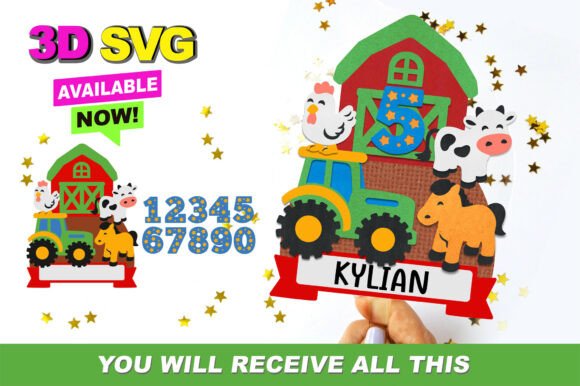
Tractor Truck Cake Topper 3D SVG Review for Real Projects
Performance in Real Embroidery Projects
For sweatshirt embroidery, I found that the design needed some adjustments. Because of the stretchy nature of knit fabrics, I had to stabilize the area thoroughly and reduce stitch density slightly to avoid puckering. But once done, the result was impressive—a durable, eye-catching graphic that didn’t distort during wear. In custom apparel settings, such as a printed t-shirt with this design, the contrast between the thread colors and the background fabric was key. Using black or dark gray threads on light-colored shirts gave the best visibility. On darker backgrounds, I recommend using white or metallic thread for better pop.Compatibility and Use Cases
As the description notes, the design is compatible with Silhouette Studio and Cricut Design Space, which is great news for digital crafters and embroidery designers. While it may not include specific formats beyond SVG, its structure allows for conversion into other common embroidery file types, so always verify your software's capabilities before finalizing any embroidery project.- Tote bag designs with a fun twist
- Baby clothes or nursery decor with a playful edge
- Embroidered patches for caps or jackets
- Personalized gifts like pillow covers or tea towels
- Etsy sellers creating themed merchandise for farm lovers or little ones
- Commercial embroidery in small shop product lines
Cautions for Practical Application
If you plan to stitch it in a small hoop size, consider scaling it down carefully. The details might become lost or distorted, especially if the tractor features intricate parts like wheels or windows. In these cases, simplifying the design or focusing on the main body could help maintain clarity.
On textured fabrics such as canvas or flannel, the stitching may sit unevenly due to the raised texture. A bit of experimentation with stabilizer and needle type will go a long way in ensuring smooth results.
Stretchy materials like spandex blends can cause distortion if not properly stabilized. I recommend using a cutaway stabilizer underneath and adjusting the stitch density to match the fabric’s elasticity.
Also, keep in mind that the design includes some detailed corners and edges. These areas might require careful review to ensure they don’t create snag points, especially if used in handmade products that get frequent handling, like aprons or backpacks.
Design Notes for Optimal Results
- Test on scrap fabric before applying it to your final project. This helps catch any issues with stitch behavior or color choice.
- Check the thread color contrast against your chosen fabric. Darker threads may disappear on dark backgrounds, reducing visual impact.
- Review the stitch density—especially in dense areas like the cab or tires. Lowering the density slightly can prevent bunching or breaking on delicate or stretchy materials.
- Confirm your hoop size requirements based on the scaled version you plan to use. If unsure, check the design's maximum dimensions in your software.
- Inspect small details like the cake topper itself. Depending on the scale, they may need to be simplified or omitted for certain projects.
- Try a black and white mockup to see how the design holds up without color bias. This is particularly helpful for digital product sellers who want to offer monochrome options.
- Compare how it looks on both light and dark fabric backgrounds—this will give you a sense of its adaptability and how much it stands out.
- Use the appropriate stabilizer for your fabric type. Tightly woven cottons usually handle less stabilizer than knits or linens.
- Always check whether the design is suitable for both personal and commercial embroidery projects. Licensing terms aren't specified, so confirm before selling finished items or digital files.